

Our Online Courses
Chandrapur Forest Academy: Course Details & YouTube Links for RFO and Forester Batches
FOREST RESOURCE MANAGEMENT- AN OVERVIEW
An Overview is designed to provide a foundational understanding of scientific forest management to forest. Forest resource management involves planned utilization, protection, and conservation of forests.
Introduction to Modern Technology in Environmental Resource Management - Geospatial Analysis for Forestry and Wildlife
Yield and Rotation
Production and scientific harvesting among forest personnel. Yield and rotation form the backbone of working plan prescriptions and sustainable forest management.
Basics of GPS
GPS technology used for location identification, navigation, and spatial data collection. GPS has become an essential tool for modern forest management and protection activities.
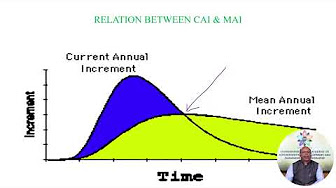
Tree Measurement and Growth Dynamics.
Learn tree measurement techniques and growth analysis-key components of scientific forest management.
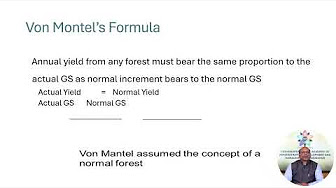
Actual growing stocks and its increments
The course Actual Growing Stock and Its Increments is designed to provide forest personnel with practical understanding of assessing standing forest resources and regulating their utilization.
Computer Applications in Forestry Management
The course Computer Applications in Forestry Management is designed to develop basic digital skills among forest personnel to support administrative, technical, and reporting activities in the Forest Department.
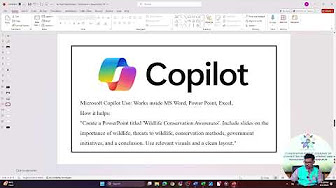
Leveraging AI & Digital Tools for Smarter forest Management
The course Leveraging AI & Digital Tools for Smarter Forest Management is designed to familiarize forest personnel with modern technological tools that are increasingly being used in forest administration and conservation.
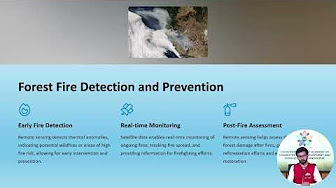
Remote Sensing
The course Remote Sensing is designed to provide foundational understanding of satellite-based observation systems used in modern forestry.
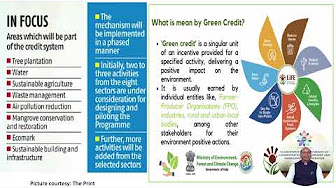
Basics of Economics
The course Basics of Economics is designed to provide a basic understanding of economic concepts necessary for government officials working in field administration.
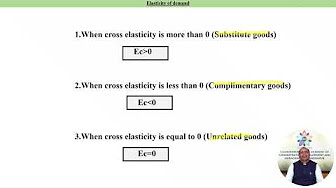
Introduction to Forest Economics and concept/ Types of Demand
The course provides forest personnel with basic knowledge of economic principles in forest management and resource use.
Basic concepts of Ecology
The course Basic Concepts of Ecology is designed to provide forest personnel with a clear understanding of ecological processes that influence forests and wildlife.
Ecology and Environmental Science: Population Ecology
The course explains population ecology for wildlife conservation and forest management.
Adverse Influence on Forest (Part-II-A)
The course Adverse Influence on Forest (Part-II-A) is designed to build awareness among forest personnel regarding biological agents that negatively affect forest vegetation.
Adverse Influence on Forest (Part-II-B)
The course Adverse Influence on Forest (Part-II-B) is designed to provide field-level knowledge of insect pests affecting important forest species and their management.
Principles of Ecosystem Ecology
The course Principles of Ecosystem Ecology is designed to provide a clear understanding of ecosystem processes essential for forest and wildlife management.
Energy Flow Biotic Community and Ecosystems of the World
The course explains energy flow, biotic communities, and global ecosystems for ecological balance.
Forest Account and Procedure
The course Forest Account and Procedure is designed to provide forest personnel with essential knowledge of departmental financial management and accounting.
Mathematics-Approximation in Forestry
The course Mathematics – Approximation in Forestry is designed to help forest personnel understand and apply approximation techniques in day-to-day forestry work.
Mathematics-Powers & Laws of Indices (Part-1)
The course explains powers and indices for basic forestry calculations.
Mathematics-Powers & Laws of Indices (Part-2)
The course Mathematics – Powers and Laws of Indices (Part-2) is designed to extend understanding of exponents and their applications in forestry calculations.
Mathematics-Square Roots & Cube Roots
The course Mathematics – Square Roots and Cube Roots is designed to provide essential mathematical skills required for forestry measurement and estimation.
The Hydrologic Cycle
The course The Hydrologic Cycle is designed to provide forest personnel with a clear understanding of water movement in the environment and its connection with forest ecosystems. Forests play a crucial role in regulating water flow, conserving soil.
Forest Produce Accounting and Yield Returns
The course Forest Produce Accounting and Yield Returns is designed to provide forest personnel with practical knowledge of accounting and control procedures related to forest produce.
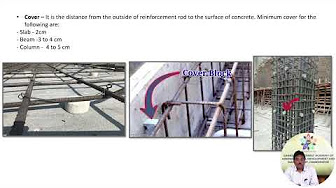
Forest Engineering-Building Materials
The course Forest Engineering – Building Materials is designed to provide forest personnel with basic knowledge of construction materials used in forest department works. Forest officers often supervise building and infrastructure activities.
General Botany-Classification of Plants Kingdom (Part-1)
The course General Botany – Classification of Plant Kingdom (Part-1) is designed to provide basic botanical knowledge essential for forest personnel.
General Botany-Classification of Plants Kingdom (Part-2)
The course General Botany – Classification of Plant Kingdom (Part-2) is designed to build further understanding of plant diversity and evolution after lower plant groups.
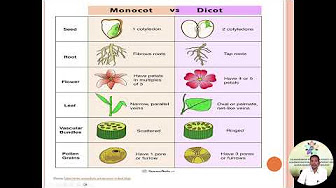
General Botany-Classification of Plants Kingdom (Part-3)
Classification of Plant Kingdom (Part-3) is designed to provide forest personnel with knowledge of higher plant groups that form the main component of forest vegetation.
Principles of Grassland Management (Part-B)
The course Principles of Grassland Management (Part-B) is designed to provide forest personnel with practical knowledge of managing grassland ecosystems.
General Botany-Importance and Objectives of Teachings Botany to a Forest Officer, Different Branches
of Botany
The course explains the importance of botany and its branches for forest personnel.
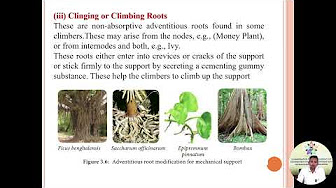
General Botany-Root characteristics,Function,Forms and Habit
Root Characteristics, Functions, Forms and Habit is designed to provide forest personnel with essential knowledge of root systems and their importance in forestry.
Forest Engineering-Building Construction (Part-1)
The course Forest Engineering – Building Construction (Part-1) is designed to provide forest personnel with essential knowledge required for supervising construction of departmental infrastructure.
Forest Engineering-Building Construction (Part-2)
The course Forest Engineering – Building Construction (Part-2) is designed to provide forest personnel with knowledge of structural components used in construction.
Forest Engineering-Building Construction (Part-3)
The course Forest Engineering – Building Construction (Part-3) is designed to provide practical knowledge of building construction components commonly encountered in forest.
Sensitization for Conservation of Forest and Wildlife
The course Sensitization for Conservation of Forest and Wildlife is designed to create awareness and strengthen conservation-oriented thinking among forest personnel.
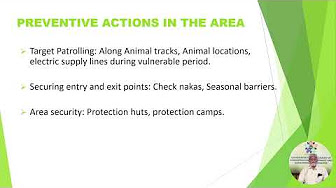
Wildlife Behavior
The course Wildlife Protection is designed to provide forest personnel with practical knowledge required to safeguard wildlife from illegal hunting and related offences.
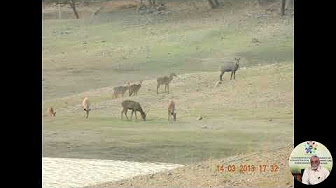
Wildlife Protection
The course prepares forest personnel to effectively manage and respond to increasing human–wildlife conflicts caused by habitat changes and human expansion.
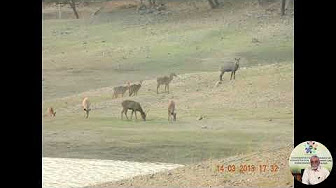
Man Animal Conflict
The course provides forest personnel with the skills to manage human–wildlife interactions arising from habitat changes and human expansion.
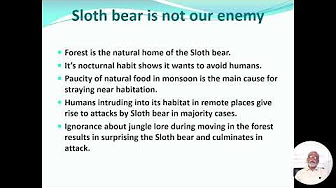
Sloth Bear Conflict
The course Sloth Bear Conflict is designed to help forest personnel understand the nature of human–sloth bear interactions and manage conflict situations effectively.
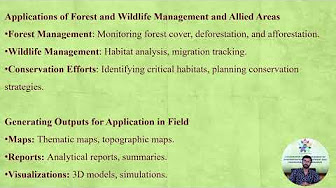
GIS in Forest Management
understanding of GIS technology used in modern forest management. GIS has become an essential tool for managing large forest areas.
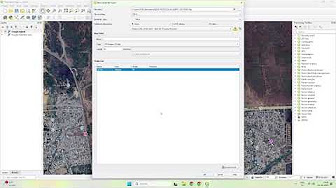
Hands-On Exercise in GIS Software
The course Hands-On Exercise in GIS Software is designed to provide forest personnel with practical exposure to geospatial tools used for mapping and analysis in forest management.
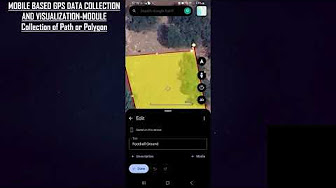
Introduction to GPS: Mobile Data Collection and Map Visualization
Introduction to GPS – Mobile Data Collection and Map Visualization is designed to familiarize forest personnel with the use of GPS technology for accurate location identification.
Introduction to Land Use Patterns in India
Introduction to Land Use Patterns in India is designed to provide forest personnel with an understanding of how land resources are distributed and utilized across different regions.
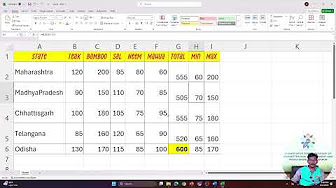
Computer Application in Forestry Management (Forester/Forest Guards)
The course Computer Application in Forestry Management (Forester/Forest Guards) is designed to build basic digital literacy among forest personnel.
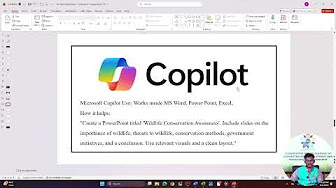
Computer Application- Leveraging AI & Digital Tools for Smarter forest Management (Forester/Forest Guards)
The course introduces AI and digital tools for smarter forest monitoring and management.
Waste Land Management
The course Waste Land Management is designed to provide forest personnel with an understanding of degraded and underutilized land resources and the need for their proper management and restoration.
Structure of Forest Department
The course Structure of Forest Department is designed to provide forest personnel with a clear understanding of the administrative framework of the Forest Department. The department functions through a well-defined hierarchical.
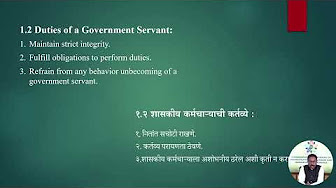
Definition & Role of public servant,Duties and obligation services rules,immunities to IPS.
The course Definition and Role of Public Servant, Duties and Obligations, Service Rules and Immunities to IPS is designed to provide an understanding of the legal and administrative framework governing public service in India.
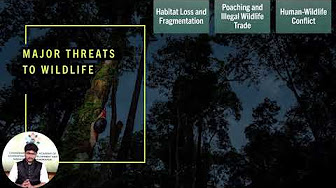
Wildlife Management (Part-2): Fauna of Arunachal Pradesh & Threats in India
The course Wildlife Management (Part-2): Fauna of Arunachal Pradesh & Threats in India is designed to build awareness of wildlife diversity and conservation challenges.
WildLife Management (Part-1) Introduction to wildlife, Basic Terminologies and threats to wildlife
Wildlife Management (Part-1): Introduction to Wildlife, Basic Terminologies and Threats to Wildlife.
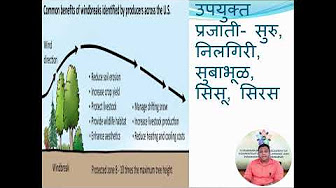
Soil Science
The course Soil Science is designed to provide forest personnel with an understanding of soil and water conservation and its importance in sustainable forest management. Healthy soil and balanced water availability are essential for forest growth, watershed stability, and ecological balance.
Mathematics-Logarithm
The course Mathematics – Logarithm is designed to provide forest personnel with a clear understanding of logarithmic calculations and their practical significance in forestry-related numerical work. Logarithms are mathematical tools that simplify calculations involving multiplication, division, powers.
Mathematics-Ratio & Proporation Applications in forest ManagementMathematics-Logarithm
Ratio and Proportion Applications in Forest Management is designed to help forest personnel understand numerical relationships used in forestry calculations.
Strucutre of Forest Department-2 FDCM and Scoial Forestry Focused
The course Structure of Forest Department – FDCM and Social Forestry Focused is designed to provide forest personnel with a clear understanding of the administrative structure of the Forest Department and the role of specialized organizations working within the forestry sector.
Cash Account and Other Records
The course Cash Account and Other Records is designed to familiarize forest personnel with the procedures involved in maintaining financial records related to cash transactions in forest offices. Accurate financial documentation is essential for maintaining transparency, accountability, and proper management of government funds.
Human Resource Development and Management-Communication Skills
The course Human Resource Development and Management – Communication Skills is designed to strengthen the ability of forest personnel to communicate effectively in professional and field environments. Communication is an essential management skill that helps in sharing information.
Human Resource Development and Management-Organizational Behavior
The course Human Resource Development and Management – Organizational Behavior is designed to help forest personnel understand how individuals and groups behave within an organizational system.
Human Resource Development and Management-Manpower Planning
The course Human Resource Development and Management – Manpower Planning is designed to provide forest personnel with an understanding of the importance of planning and managing human resources within an organization.
Human Resource Development and Management-Communication Skills & Management
The course Human Resource Development and Management: Communication Skills & Management is designed to provide learners with a comprehensive.
Human Resource Development and Management-Organizational Culture & Management Ethos
The course Human Resource Development and Management – Organizational Culture & Management Ethos.
Human Resource Development and Management-Personality Development
The course Human Resource Development and Management – Personality Development is designed to help forest personnel enhance their personal and professional capabilities.
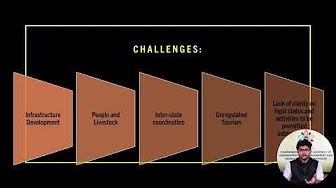
Wildlife Management–3: Safeguarding Wildlife and Protected Areas
The course Wildlife Management (Part-3): Safeguarding Wildlife and Protected Areas is designed to help forest personnel understand practical strategies used for wildlife protection.

Attendance Sheet & Vouchers
The course Attendance Sheet & Vouchers is designed to provide forest personnel with practical knowledge of maintaining administrative records related to staff.
General Silviculture
The course General Silviculture is designed to provide forest personnel with foundational knowledge about the science and practice of growing and managing forest trees.
General Silviculture
The course General Silviculture is designed to provide forest personnel with an understanding of the scientific principles involved in the establishment, growth, and management.
Habitat Manegment in Protected Area
The course Habitat Management in Protected Areas is designed to provide forest personnel with practical knowledge of maintaining and improving wildlife habitats. Habitat management plays a crucial role in ensuring the survival and sustainability of wildlife populations in protected areas.
Modification of site factors by Silviculture Practice
The course Modification of Site Factors by Silviculture Practice is designed to help forest personnel understand how silvicultural practices influence environmental conditions that affect forest growth.
Major Minor Nutrients and Classification of Forest Types and Plant Succession
Major and Minor Nutrients, Classification of Forest Types and Plant Succession is designed to provide forest personnel with knowledge of plant nutrition, vegetation classification, and ecological processes influencing forest ecosystems.
Classification of Plants- Forest Botany
The course Classification of Plants – Forest Botany is designed to provide forest personnel with a basic understanding of plant classification and root morphology.
Silvicultural Practices Part-B
The course Silvicultural Practices – Part B is designed to provide forest personnel with knowledge of regeneration techniques used to establish and maintain forest vegetation.
Nursery
Tree Improvement is designed to provide forest personnel with knowledge of nursery techniques and the scientific principles involved in improving tree species for forestry programmes.
Classification of Plants- Stem
The course Classification of Plants – Stem is designed to provide forest personnel with basic knowledge of plant structure, focusing on the stem and its modifications.
मृदु शास्त्र
मृदु शास्त्र हा अभ्यासक्रम वन विभागातील कर्मचाऱ्यांना मातीचे स्वरूप, निर्मिती प्रक्रिया आणि वन व्यवस्थापनातील तिचे महत्त्व समजून घेण्यासाठी तयार करण्यात आला आहे.
Forest Utilization II- Non Timber Forest Products
The course Forest Utilization II – Non-Timber Forest Products (NTFP) is designed to provide forest personnel.
Forest Utilization II- Essential Oils
The course Forest Utilization II – Essential Oils is designed to provide forest personnel with knowledge about essential oils derived from forest plants and their commercial importance.
Forest Mensuration
The course Forest Mensuration is designed to provide forest personnel with fundamental knowledge about the measurement and estimation of forest resources.
Forest Utilization II- Rubber, Charcoal, Edible wild Plant, Cutch and Katha
The course covers key non-timber forest products and their economic importance.
Medicinal Plants in India Cultivation and Threats
Cultivation and Threats is designed to provide forest personnel with knowledge about medicinal plants, their conservation, and the challenges affecting their survival.
Rare Medicinal Plants valuable species
The course Rare Medicinal Plants and Valuable Species is designed to provide forest personnel with knowledge about medicinal plants that are rare, threatened, or highly valued for their medicinal properties.
Growth and Development of Tree
The course Growth and Development of Tree is designed to provide forest personnel with an understanding of the biological processes involved in tree growth and the environmental factors that influence forest ecosystems.
Indian Constitution and Forest Laws
The course Indian Constitution and Forest Laws is designed to provide forest personnel with an understanding of the constitutional and legal framework .
Joint Forest Managemnt
The course Joint Forest Management (JFM) is designed to provide forest personnel with an understanding of participatory approaches used in forest conservation and management.
Biological Diversity Amendment Act 2023
The course explains biodiversity conservation and related legal provisions in India.
Panchayat Extension to Schedule Areas Act PESA
The course explains the governance framework of the PESA Act, 1996 for effectively empowering tribal communities in scheduled areas.
JFM Stakeholders
The course JFM Stakeholders is designed to provide forest personnel with a clear understanding of the various stakeholders involved in Joint Forest Management (JFM) and their respective roles and responsibilities.
Participatory Rural Appraisal
The course Participatory Rural Appraisal (PRA) is designed to provide forest personnel with knowledge of participatory approaches used to understand the needs, knowledge, and perspectives of rural communities.
Micro Plan
The course Micro Plan is designed to provide forest personnel with knowledge about the preparation and implementation of micro plans used in community-based forest management programmes.
Forest Conservation (Amendment) Act 2023
The course explains the legal framework of the Forest Conservation (Amendment) Act, 2023 regulating forest land use and protection in India.
Forest rights Act 2006
The course Forest Rights Act, 2006 is designed to provide forest personnel with an understanding of the legal provisions that recognize and protect the rights of Scheduled Tribes and other traditional forest dwellers.
Indian Forest Act 1927
The course Indian Forest Act, 1927 is designed to provide forest personnel with a comprehensive understanding of the legal provisions governing forests and forest resources in India. The Act forms the foundation of forest administration and enforcement of forest laws.

Wildlife Protection Amendment Act 2023
The course Wildlife Protection (Amendment) Act, 2023 is designed to provide forest personnel with an understanding of the recent amendments made to wildlife protection laws in India.
Adverse Influence on Forest Part A-Section A Susceptibility of Forest to damage
The course explains various natural and human-induced environmental and ecological factors that adversely affect forest ecosystems.
Forest Fires
The course Forest Fires is designed to provide forest personnel with knowledge about the causes, behaviour, and management of forest fires. Forest fires can cause serious ecological and economic damage by destroying vegetation, wildlife habitats, and soil fertility. Learners understand how natural and human factors contribute to the occurrence of forest fires.
Adverse Influence on Forest Part A-Section A Protection of Plantation & Regeneration
The course Adverse Influence on Forest – Protection of Plantation and Regeneration is designed to provide forest personnel with knowledge about protecting young forest plantations and regeneration areas from potential threats.
Adverse Influence on Forest Part A-Section A Protection against weeds and Climbers
The course Adverse Influence on Forest – Protection against Weeds, Climbers and Other Damaging Factors is designed to provide forest personnel with knowledge about different factors that adversely affect forest vegetation and regeneration.
Indian Constitution and Forest Laws
The course Indian Constitution and Forest Laws is designed to provide forest personnel with an understanding of the constitutional and legal provisions related to forests, wildlife, and environmental protection in India.
Scheduled tribes and Other Traditional Forest Dwellers ( Recognition of Forest Rights) Act, 2006
The course explains legal rights of forest-dwelling communities.
Agroforestry
The course Agroforestry is designed to provide forest personnel with knowledge about the integration of trees with agricultural crops and livestock to create sustainable land-use systems. The course covers integrating trees with crops and livestock.
Analysis of Legal Framework of JFM in India
The course Analysis of Legal Framework of JFM in India is designed to provide forest personnel with an understanding of the legal provisions and policy framework.
Social Forestry and Its Role in JFM
The course Social Forestry and Its Role in JFM is designed to provide forest personnel with an understanding of social forestry programmes and their role in promoting sustainable forest management and community participation.
Moisture Conservation
The course Moisture Conservation is designed to provide forest personnel with knowledge about soil and moisture conservation practices that are essential for maintaining forest productivity and ecological stability.
Watershed Management for Integrated Conservation
The course Watershed Management for Integrated Conservation is designed to provide forest personnel with an understanding of watershed-based approaches used for sustainable management of land and water resources.
Forest Conservation (Amandment) Act 2023
The course Watershed Management for Integrated Conservation is designed to provide forest personnel with an understanding of watershed-based approaches used for sustainable management of land and water resources.
Indian Forest Act 1927 and Wildlife Protection Amendment Act 2023
The course Indian Forest Act, 1927 and Wildlife Protection (Amendment) Act, 2023 is designed to provide forest personnel with an understanding of two major laws that guide forest and wildlife management in India.
Biological Diversity Amendment Act 2023 and Panchayat extension to schedule areas act (PESA) 1996
The course explains legal provisions supporting biodiversity conservation and community participation in resource governance.
Watershed Management and Soil Conservation Measures Part 01
The course Watershed Management and Soil Conservation Measures – Part 01 is designed to provide forest personnel with an understanding of the principles and importance of watershed management and soil conservation.
A Brief overview of New Criminal Laws
The course A Brief Overview of New Criminal Laws is designed to provide forest personnel with a basic understanding of the new criminal laws introduced in India to modernize the criminal justice system. These reforms aim to improve law enforcement, ensure timely justice, and strengthen legal procedures.
Working plan and Silviculture
The course Working Plan and Silviculture is designed to provide forest personnel with an understanding of the principles of silviculture and the preparation and implementation of working plans used in forest management.
Watershed Management and Soil Conservation Measures Part 02
The course explains key watershed concepts and effective soil conservation practices for sustainable management in hilly regions.
Recreation Forestry and landscaping
The course Recreation Forestry and Landscaping is designed to provide forest personnel with knowledge about the development and management of forest areas for recreational and environmental purposes.
Role of Extension and Publicity for Participatory Forest Management
The course explains the important role of extension and communication in participatory forest management.
Branching
The course Branching is designed to provide forest personnel with an understanding of the structure and development of branches in plants and trees.
Flower and Inflorescence
The course Flower and Inflorescence is designed to provide forest personnel with knowledge about the reproductive structures .
Silviculture of Broadleaved Species
The course Silviculture of Broadleaved Species is designed to provide forest personnel with knowledge about the growth characteristics and management practices associated with important broadleaved tree species.
Bamboos
knowledge about bamboo species, their ecological characteristics, and their importance in forest management and rural development. Bamboos belong to the grass family and are among the fastest-growing plants in the world.
Species of Regional Importance-Northern Region
The course Species of Regional Importance – Northern Region is designed to provide forest personnel with knowledge about the tree species that are ecologically and economically.
Tree Measurement - Diameter/Girth
The course Tree Measurement – Diameter/Girth is designed to provide forest personnel with knowledge about measuring tree diameter and girth, which are essential parameters in forest mensuration.
Tree Measurement - Height
Height is designed to provide forest personnel with knowledge about measuring the height of trees, which is an essential aspect of forest mensuration. Tree height measurement helps determine tree growth, productivity, and timber volume.
Forest mensuration: Diameter of the Tree and Height of the Tree
The course Forest Mensuration –Diameter of the Tree and Height of the Tree is designed to provide forest personnel with knowledge about two essential measurements.
Practical Forest Mensuration: Tree Height, Log Volume and Stem Form
The course explains practical field techniques for accurately measuring tree height, log volume, and stem form.
Wood Harvesting
The course Wood Harvesting is designed to provide forest personnel with knowledge about the processes and techniques involved in harvesting timber from forests.
Wood Technology
The course Wood Technology is designed to provide forest personnel with knowledge about the structure and properties of wood.
Wood Seasoning
The course Wood Seasoning is designed to provide forest personnel with knowledge about the techniques used to remove excess moisture from timber.
Forest Enumeration and Sampling
The course Forest Enumeration and Sampling is designed to provide forest personnel with knowledge about techniques used for assessing forest resources.
Wood Preservation
The course Wood Preservation is designed to provide forest personnel with knowledge about methods used to increase the durability and service life of timber.
Wood Based Industries
The course Wood Based Industries is designed to provide forest personnel with knowledge about industries that depend on timber and other forest products as raw materials. These industries transform wood into a variety of useful products that support construction, manufacturing, and daily human needs.
Saw Mills and Grading of Timber and Timber Products
The course Saw Mills and Grading of Timber and Timber Products is designed to provide forest personnel with knowledge about the processing of timber and the methods used to evaluate its quality.
Suitability of Indian Timber Wood Based Industries and Saw Mill Rules
The course Suitability of Indian Timber, Wood Based Industries and Saw Mill Rules is designed to provide forest personnel with knowledge about the characteristics of Indian timber, its industrial applications.
Introduction to Forest Protection and Forest Fire
The course Introduction to Forest Protection and Forest Fire is designed to provide forest personnel with an understanding of the principles and importance of protecting forests from various threats.
Effect of Grazing and Browsing and Human Interface and Their Control
The course Effect of Grazing and Browsing and Human Interface and Their Control is designed to provide forest personnel with knowledge about the impacts of grazing, browsing, and human activities on forest ecosystems.
Injuries by Plants and Injuries by Animals
The course Injuries by Plants and Injuries by Animals is designed to provide forest personnel with knowledge about biological and ecological factors that can cause damage to forest vegetation.
Flood and Landslides and Classification of Important NTFP
The course Flood and Landslides and Classification of Important NTFP is designed to provide forest personnel with an understanding of natural hazards affecting forests and the significance of non-timber forest products in forest.
Species Regional Importance-Eastern Region
The course Species of Regional Importance – Eastern Region is designed to provide forest personnel with knowledge about important tree species that are commonly found in the eastern part of India.
Species regional importance-Southern Region
The course Species of Regional Importance – Southern Region is designed to provide forest personnel with knowledge about important tree species commonly found in the southern parts of India.
Silviculture Systems
The course Silviculture Systems is designed to provide forest personnel with knowledge about different scientific systems used for managing forest stands and ensuring continuous forest regeneration.
Natural Resource Management -Types of Rocks
Types of Rocks is designed to provide forest personnel with knowledge about the geological aspects that influence forest ecosystems and natural resource management.
Soil Profile & Major Soil Groups
The course Soil Profile and Major Soil Groups is designed to provide forest personnel with an understanding of soil physical and chemical characteristics and their importance in forest ecosystems.
Forest Survey - Introduction
The course Forest Survey – Introduction is designed to provide forest personnel with knowledge about the basic principles and methods used in surveying forest areas. Surveying supports mapping, boundary measurement, and forest planning.
Forest Survey-Topographical Survey of Map Reading
The course explains techniques for topographical surveying, map reading, and interpreting spatial data for forest management.
Forest Survey-Chain & Compass Survey
The course Forest Survey – Chain and Compass Survey is designed to provide forest personnel with knowledge about two fundamental surveying methods used in forestry and land measurement.
Forest Survey-Plane Table Survey
The course Forest Survey – Plane Table Survey is designed to provide forest personnel with knowledge about the principles and applications of plane table surveying in forest surveys.
Forest Survey-Levelling
The course Forest Survey – Levelling is designed to provide forest personnel with knowledge about the principles and applications of levelling used in surveying.
Chandrapur Forest Academy: Course Details and Youtube Links for RATI and DATI Batches
सेवापुस्तिका-1
The course सेवापुस्तिका – 1 (Service Book – 1) is designed to provide forest personnel with knowledge about the maintenance and importance of service books in government service.
सेंवमूल्य व लोकां
The course सेवामूल्य व लोकाभिमुख वर्तन is designed to help forest personnel understand the importance of ethical values and citizen-oriented behaviour in public service. Serve with honesty, accountability, and dedication to the public.
सेवापुस्तिका-2
The course सेवापुस्तिका – 2 (Service Book – 2) is designed to provide forest personnel with knowledge about retirement-related procedures and documentation required for government employees.
NPS
The course NPS – National Pension System is designed to provide forest personnel with knowledge about retirement pension schemes and the functioning of the National Pension System used in government service.
Right To Information Series Part-A
The course Right to Information Series – Part A is designed to provide forest personnel with an understanding of the legal framework and important provisions of the Right to Information Act, 2005.
Right To Information Series Part-B
The course Right to Information Series – Part B is designed to provide forest personnel with an understanding of the procedures and responsibilities involved in implementing the Right to Information Act, 2005.
Right To Information Series Part-C
The course Right to Information Series – Part C is designed to provide forest personnel with an understanding of the institutional structure and enforcement provisions under the Right to Information Act, 2005.
Arogyaa Part-A
The course आरोग्य – Part A is designed to help forest personnel understand the importance of maintaining good physical and mental health.Promotes transparency, accountability, and good governance.
Arogyaa Part-B
The course आरोग्य – Part B is designed to provide forest personnel with knowledge about maintaining a healthy lifestyle, understanding body rhythms, and avoiding harmful habits that can affect overall well-being.
Zero Pendency Daily Disposal
The course Zero Pendency Daily Disposal is designed to help forest personnel understand efficient office administration practices that reduce delays.
लोकाभिमुख प्रशासन
The course लोकाभिमुख प्रशासन (People-Oriented Administration) is designed to help forest personnel understand the importance of adopting a citizen-centric approach in administrative work.
स्वच्छ भारत अभियान
The course स्वच्छ भारत अभियान (Swachh Bharat Abhiyan) is designed to provide forest personnel with knowledge about the national cleanliness movement launched to improve sanitation.
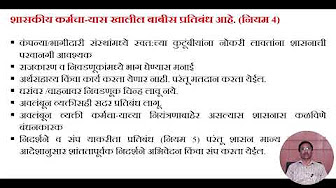
वर्तनुक नियम
The course वर्तनुक नियम (Conduct Rules) is designed to provide forest personnel with knowledge about the behavioural standards and ethical principles expected from government employees.
Computer Application AI
The course Computer Application – AI and MS Excel is designed to provide forest personnel with practical knowledge of digital tools that can support efficient office management and data analysis.
Basics of Computer Application
The course Basics of Computer Application is designed to provide forest personnel with practical knowledge of commonly used computer applications that support administrative and professional work.
टिपणी पत्र लेखन
The course टिपणी पत्र लेखन (Note and Official Letter Writing) is designed to provide forest personnel with knowledge about drafting official notes and correspondence used in government offices.
लोकसेवा हक्क व अधिनियम
The course लोकसेवा हक्क व अधिनियम (Right to Public Services Act, 2014) is designed to provide forest personnel with knowledge about the legal framework that guarantees timely delivery of public services to citizens.
अभिलेख व्यवस्थापन
The course अभिलेख व्यवस्थापन (Record Management) is designed to provide forest personnel with knowledge about the systematic management and preservation of official records in government offices.
टिपणी लेखन
The course टिपणी लेखन (Note Writing) is designed to provide forest personnel with knowledge about preparing notes in official files as part of administrative procedures.Note writing supports communication and record-keeping in offices.
POSCH ACT
The course POSH Act – Prevention of Sexual Harassment at Workplace is designed to provide forest personnel with knowledge about the legal framework that protects women from sexual harassment at the workplace.
सेवार्थ प्रणाली
The course सेवार्थ प्रणाली (Sevaarth System) is designed to provide forest personnel with knowledge about the online system used for payroll and financial management in government departments.
E-Tender
The course E-Tender (Maharashtra Tender System) is designed to provide forest personnel with knowledge about the electronic procurement system used by government departments for issuing tenders and managing contracts.
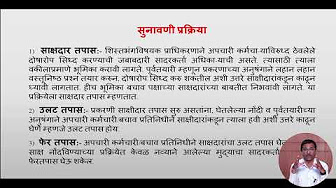
विभागीय चौकशी
The course विभागीय चौकशी (Departmental Inquiry) is designed to provide forest personnel with knowledge about the procedures followed in disciplinary inquiries within government departments.
UPS अभ्यास
The course UPS अभ्यास is designed to provide forest personnel with an understanding of the Unified Pension Scheme and its important provisions related to retirement benefits. Overview of UPS, a retirement financial support system.
लोकसेवा हक्क व अधिनियम 2015
The course लोकसेवा हक्क व अधिनियम 2015 (Maharashtra Right to Public Services Act, 2015) is designed to provide forest personnel with knowledge about the legal framework that ensures time-bound delivery of public services to citizens.
कायदे व नियम
The course कायदे व नियम – ज्येष्ठ नागरिक कल्याण is designed to provide forest personnel with knowledge about important laws and policies that protect the rights and welfare of parents and senior citizens.
Soil and Moisture Conservation in India
The course Soil and Moisture Conservation in India is designed to provide forest personnel with knowledge about the principles and practices used to conserve soil and water resources in forest and agricultural landscapes.
Maharashtra Nagri Seva Raza Niyam
The course महाराष्ट्र नागरी सेवा रजा नियम (Maharashtra Civil Services Leave Rules) is designed to provide forest personnel with knowledge about the various types of leave available to government employees and the procedures for availing them according to service rules.
Maharashtra Nagri Seva Raza Niyam – Vishesh Raza
The course महाराष्ट्र नागरी सेवा रजा नियम – विशेष रजा is designed to provide forest personnel with knowledge about special categories of leave available under the Maharashtra Civil Services Leave Rules.